



Student Mental Health & Well-Being
Recognizing Student Needs. Building Connections. Strengthening Well-Being.

Welcome to Student Mental Health & Well-Being
Every student enters school with experiences, relationships, emotions, and circumstances that influence how they engage with learning and the world around them. While academic achievement remains an essential goal of education, students' capacity to succeed is closely connected to their emotional well-being, sense of belonging, and access to meaningful support.
The familiar educational reminder, “Maslow before Bloom,” reflects an essential principle: students' needs for safety, belonging, and emotional well-being influence their readiness to engage in learning. Supporting those needs is not a departure from the educational mission. It is part of fulfilling that mission.
Student mental health is not separate from student success. It is foundational to students' ability to learn, connect, and thrive.
School counselors occupy a unique position within this relationship between mental health and education. As school-based mental health professionals, they recognize the connection between students' academic, career, and social-emotional development and the conditions that influence their ability to succeed.
Their work includes promoting mental health awareness, strengthening protective factors, identifying emerging concerns, providing appropriate short-term counseling and responsive services, supporting students during crises, and collaborating with families, educators, and community professionals.
Yet effective mental health support requires more than recognizing concerns. It requires understanding the needs of individual students, building trusting relationships, and developing coordinated systems of care that respond appropriately to those needs. It also requires professional judgment. School counselors are essential members of a school's mental health support system, but they are not substitutes for ongoing clinical treatment when students require specialized services. Understanding the boundaries of school-based support helps ensure that students receive appropriate care rather than simply the care that happens to be available.
The articles in this journal explore student mental health through three complementary reading paths, moving from the school counselor's professional role to mental health awareness and resources, and finally to grief-responsive practice and crisis support.
Throughout these discussions, one principle remains central: Supporting student mental health is not simply about responding when students struggle. It is about creating the relationships, opportunities, and systems of support that help students flourish.
Explore the Reading Paths
The School Counselor's Role in Student Mental Health
Explore how school counselors recognize student needs, provide appropriate support, and connect students with care.
Mental Health Awareness & Resources
Discover approaches and resources that strengthen awareness, promote well-being, and support early intervention.
Grief-Responsive Practice & Crisis Support
Consider compassionate, developmentally appropriate responses to grief, loss, and student crises.
Looking for a particular topic?
Prefer to browse rather than follow a guided reading path? Explore our Student Mental Health & Well-Being Article Collection, where articles are organized by the School Counselor's Role in Mental Health; Resilience, Regulation & Supportive Environments; Mental Health Awareness & Resources; and Supporting Well-Being Through Challenging Times.
The School Counselor's Role in Supporting Student Mental Health
Recognizing Student Needs. Providing Appropriate Support. Connecting Students with Care.
Professional identity provides the foundation for meaningful mental health support.
School counselors are uniquely positioned to recognize and respond to the mental health needs that influence students' learning, relationships, behavior, and overall well-being. Their work brings together an understanding of student development, the educational environment, and the relationship between emotional wellness and academic success.
Within a comprehensive school counseling program, mental health support is both preventive and responsive. School counselors promote protective factors, strengthen students' coping and interpersonal skills, identify emerging concerns, provide appropriate short-term counseling interventions, and collaborate with educators, families, and community professionals to connect students with additional resources when needed.
Yet the importance of this work does not mean that school counselors are responsible for meeting every mental health need. Effective practice requires professional judgment, ethical decision-making, and a clear understanding of the distinction between school-based counseling services and ongoing clinical treatment. This distinction is not a limitation on the school counselor's contribution. It is an essential part of ensuring that students receive appropriate and timely support.
The articles in this reading path examine the school counselor's role in promoting student mental health, responding to emotional and behavioral concerns, and working within a coordinated system of care.
Our responsibility is not to provide every service a student may need. It is to recognize those needs, respond within our professional role, and help students access appropriate support.
01 · CONNECTING THE DOTS
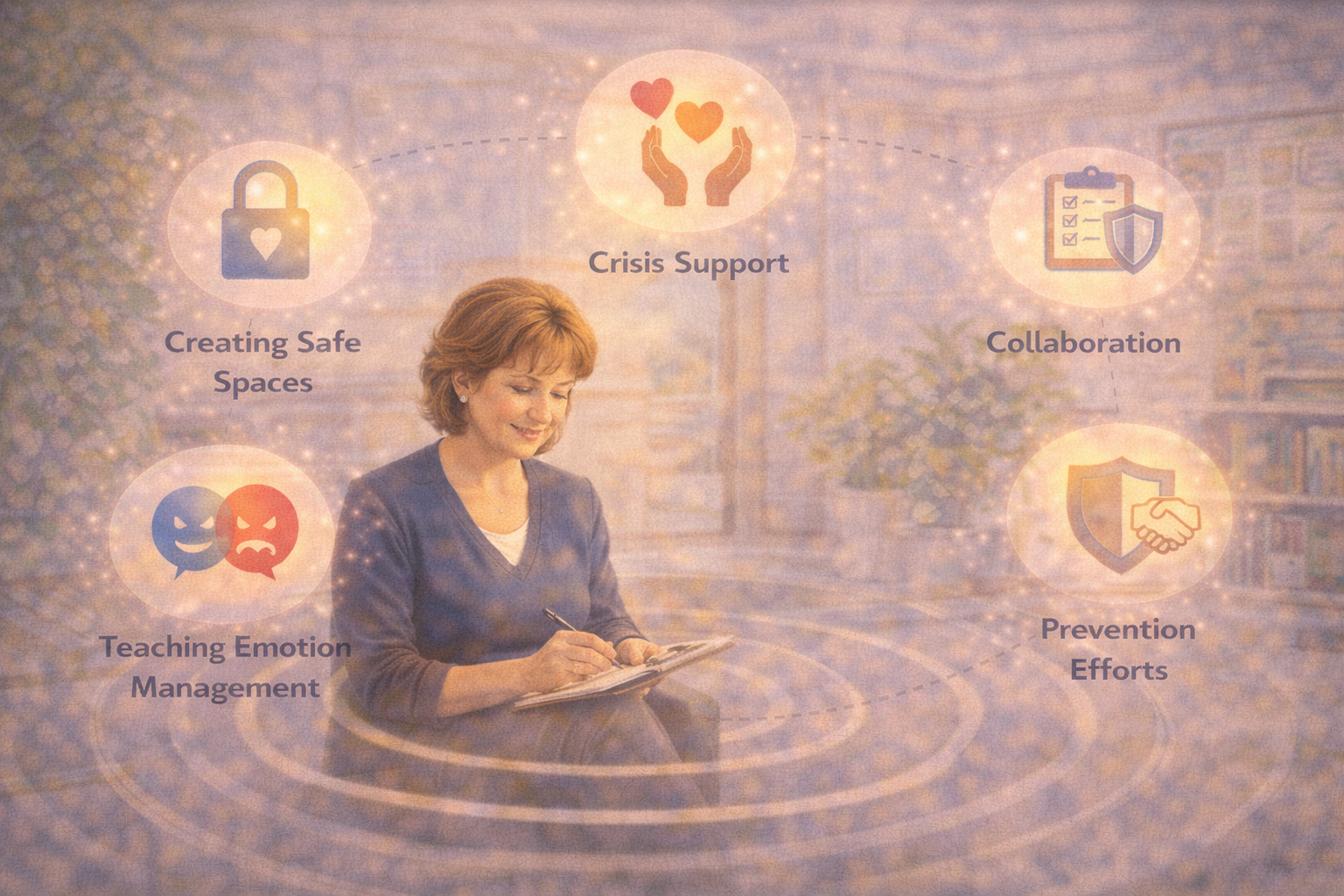
Explore how school counselors promote student well-being through prevention, early identification, appropriate short-term counseling, and collaboration. Understand how their professional role connects mental health support with students' academic and personal development.
02 · COLLABORATING WITH OTHERS
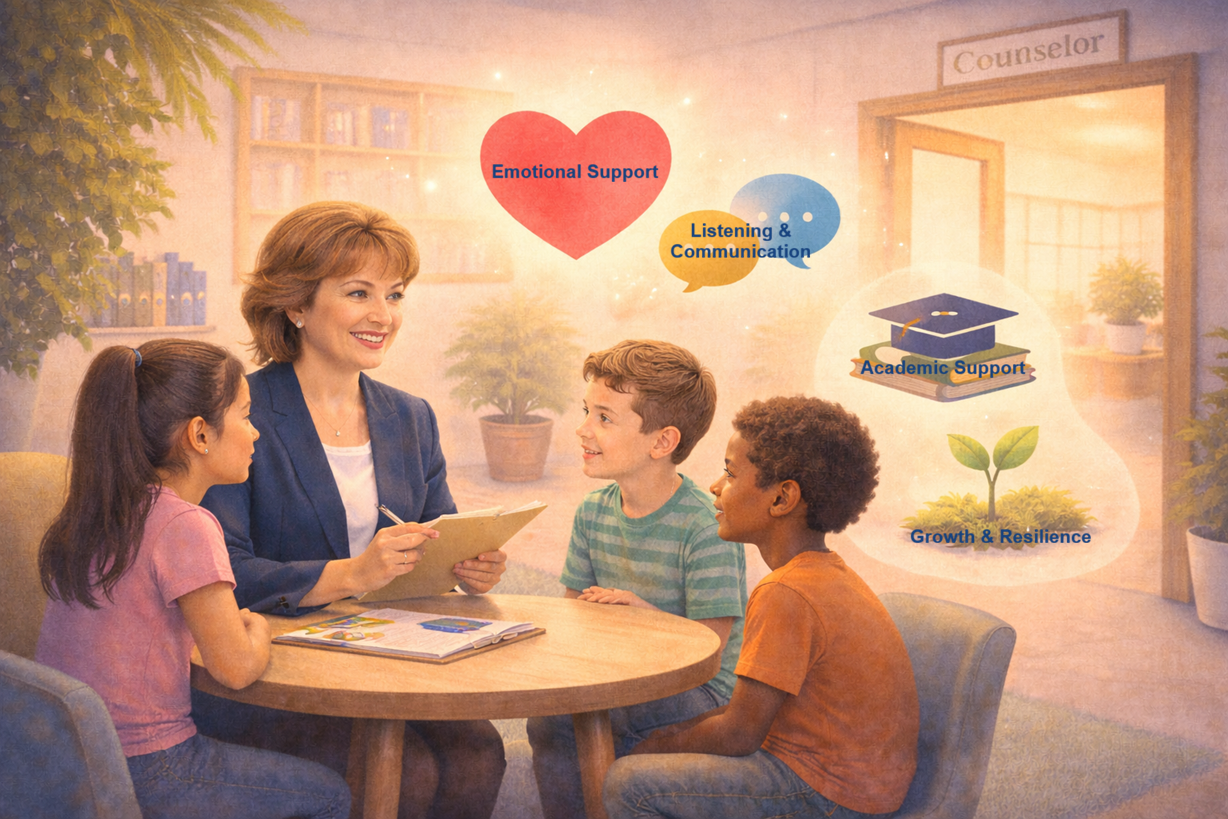
Discover how families and educators can better understand their role, recognize when students may need additional support, and work together to strengthen student well-being.
Continue Exploring
Article
Contribution
Understanding why accessible school-based mental health support is essential to student learning and well-being.
Reading Path Two
Mental Health Awareness & Resources
Building Awareness. Strengthening Connections. Expanding Access to Support.
Awareness creates opportunities for understanding, connection, and early support.
Promoting student mental health begins long before a concern becomes a crisis. When schools foster open conversations about emotional well-being, strengthen supportive relationships, and provide developmentally appropriate information, they help students recognize that mental health is an essential part of overall wellness.
School counselors contribute to this work by promoting mental health literacy, reducing stigma, recognizing emerging concerns, and helping students and families understand the resources available to them. Through classroom instruction, schoolwide initiatives, collaboration, and responsive services, they help create environments where seeking support is understood as a strength rather than a weakness.
Yet awareness alone is not enough. Students and families must also know where to turn, how to access appropriate services, and what to expect when additional support is needed. Effective mental health promotion therefore connects education and prevention with practical pathways to care.
The articles in this reading path explore strategies for strengthening mental health awareness and identifying resources that support students, families, and school communities.
Awareness opens the conversation. Connection builds trust. Access to appropriate support helps turn understanding into meaningful action.
01 · BUILDING AWARENESS

Explore meaningful ways to promote mental health awareness throughout the school year. Discover opportunities to strengthen understanding, reduce stigma, and connect schoolwide activities with ongoing student support.
02 · FINDING SUPPORT

Finding appropriate mental health support can feel overwhelming. Explore resources and starting points that help individuals and families better understand available options and take meaningful steps toward care.
Continue Exploring
Article
Contribution
Creating supportive spaces where students can practice emotional regulation.
Exploring movement and sensory experiences as practical supports for student well-being.
Recognizing the role of joy, connection, and positive experiences in supporting student well-being.
Reading Path Three
Grief-Responsive Practice & Crisis Support
Responding with Compassion. Supporting Through Crisis. Strengthening Connections.
When students experience grief or crisis, compassionate and coordinated support becomes especially important.
Loss, tragedy, and crisis can profoundly affect students' sense of safety, belonging, and connection to their school communities. Whether a student is grieving the death of a loved one, navigating a significant personal loss, or responding to a crisis that affects an entire school, the need for understanding and appropriate support is essential.
School counselors play an important role in helping students and school communities navigate these experiences. Through developmentally responsive support, collaboration with families and educators, participation in school crisis-response teams, and connections to community resources, they help create environments where students are heard, supported, and connected to appropriate care.
Yet grief and crisis do not follow predictable timelines or affect every student in the same way. Effective responses recognize individual differences, respect cultural and family perspectives, and avoid assuming that every student needs the same intervention. They also recognize the importance of professional boundaries, established crisis protocols, and referral to specialized services when needed.
The articles in this reading path explore the school counselor's role in supporting grieving students, responding to tragedy, and helping school communities navigate crises with preparation, compassion, and coordinated care.
We cannot remove every hardship students experience, but we can help ensure they do not have to navigate those hardships without understanding, connection, and support.
01 · UNDERSTANDING GRIEF
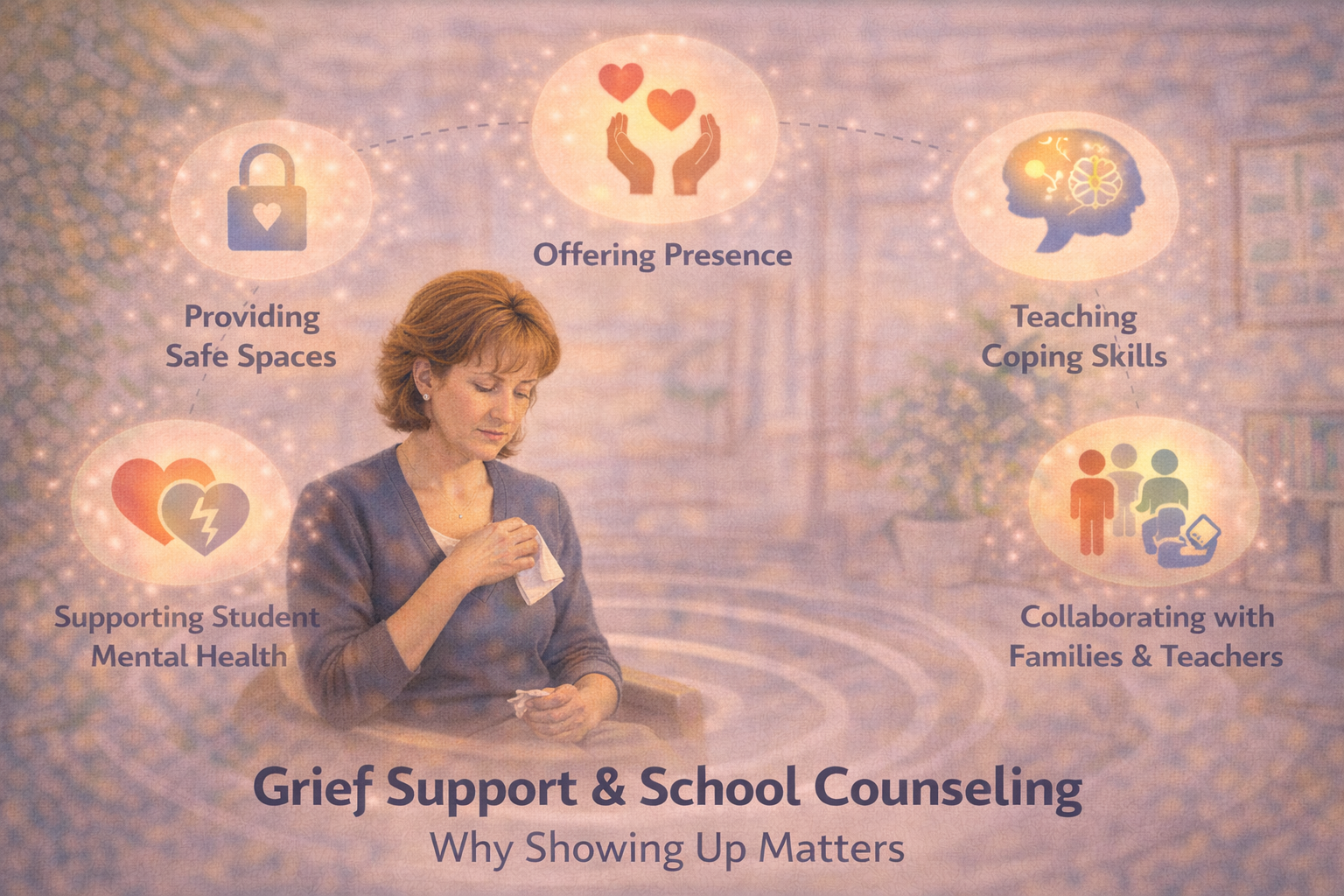
Explore how personal experiences of grief can deepen professional understanding of loss, absence, and the importance of compassionate, individualized support for students navigating difficult experiences.
02 · SUPPORTING GRIEVING STUDENTS
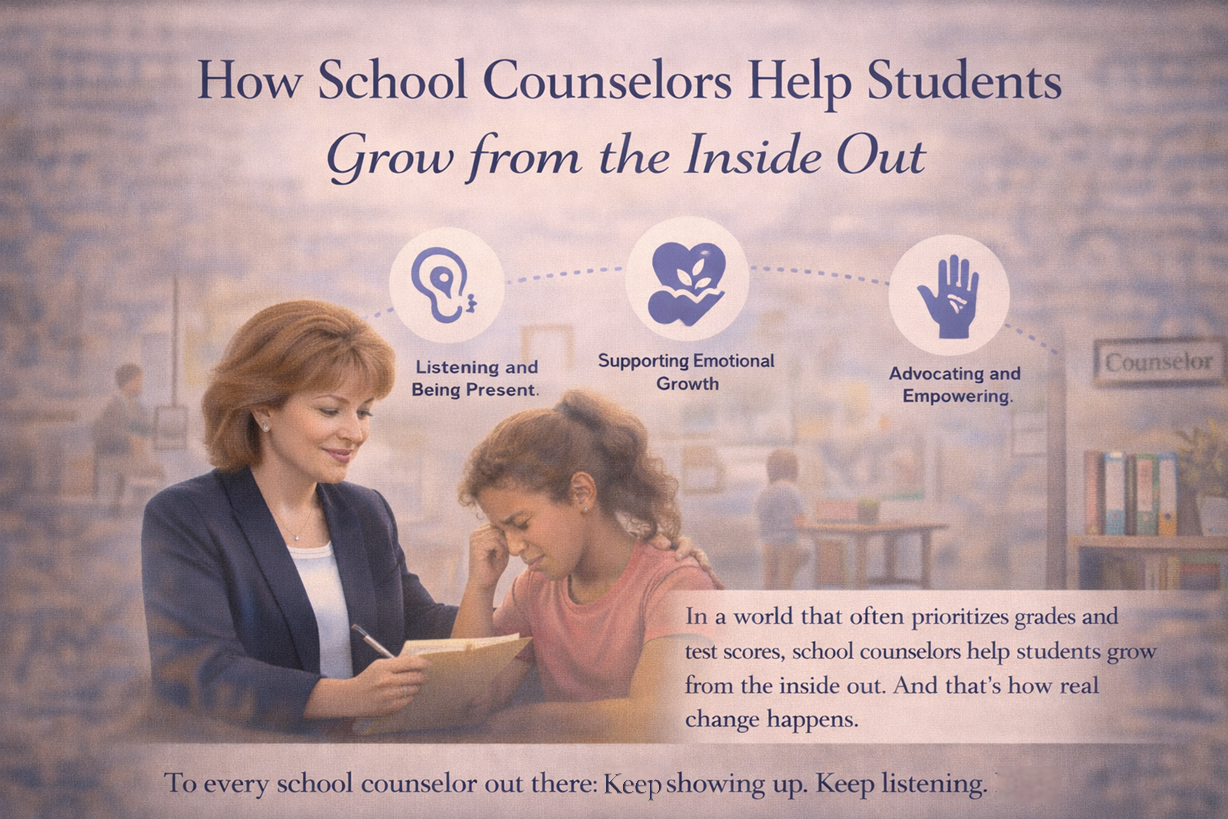
Consider developmentally responsive ways school counselors and educators can support grieving students through meaningful relationships, patient understanding, and appropriate school-based interventions.
03 · RESPONDING TO CRISIS

Examine the important contributions school counselors make during school crises, including immediate emotional support, collaboration with crisis-response teams, and helping students access appropriate follow-up services.
Continue Exploring
Article
Contribution
Providing compassionate, coordinated support following school-community tragedies.
Recognizing students' needs and supporting school communities during and after natural disasters.
How the Three Reading Paths Fit Together
Understand
Student mental health needs
Explore
Approaches and resources
Support
Grief, loss, and student crises